This essay advances a jurisprudential argument for legal systems cognizant of human nature and our dispensation towards wrongdoing. It argues that law must be designed on the assumption that somebody will abuse power and exploit vulnerability, and the law must therefore reflect this nature, incorporating institutional restraints, proportional accountability, and restorative mechanisms. Drawing on comparative legal traditions, including Mosaic law, Islamic commercial jurisprudence, common law equity, and post conflict restorative justice models, the essay illustrates how legal systems have historically grappled with human fallibility. It then situates these insights within Uganda’s constitutional
experience, examining the reception of equity, the promise and limits of Article 126 of the 1995 Constitution, and contemporary judicial practice. The essay concludes by proposing a jurisprudence fit for Uganda and the modern world: one that recognizes the human condition and considers the role of society and belonging in accountability and restitution.
Law, Moral Order, and Human Nature Towards a Jurisprudence Fit for Uganda and the Modern WorldFebruary 6, 2026


Niche Ankole BreedMarch 2, 2026

The Trajectory of Data Privacy and Protection in East Africa: Lessons for UgandaFebruary 13, 2026

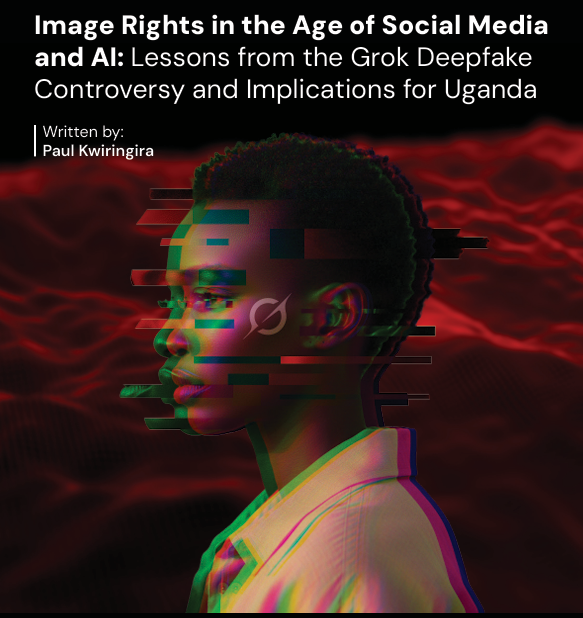
Image Rights in the Age of Social Media and AI: Lessons from the Grok Deepfake Controversy and Implications for UgandaFebruary 13, 2026